Dying on Your Own Terms
Why I became a provider of medical aid in dying
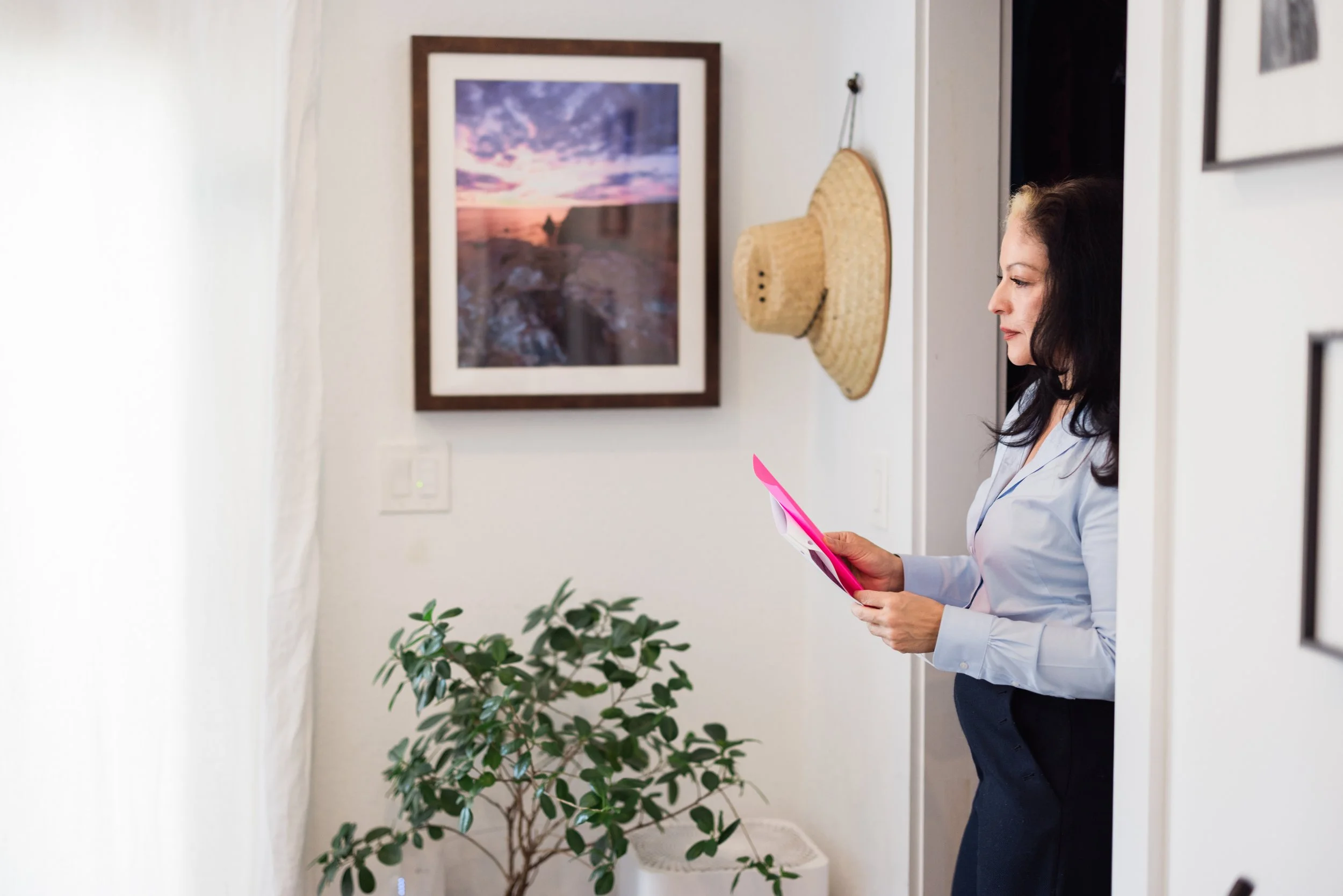
I didn't know whether to knock or ring the doorbell.
The hospice nurse I was shadowing had been texting the patient's wife, and they were expecting us, but I was nervous. I'd just started a new leadership role and was tagging along on admission visits to learn how the organization worked, to see where I could make things easier for the nurses doing this work every day. That was the professional reason for my nerves. The other reason, if I'm honest, is that I was new to this kind of intimacy. As an ER doctor, I'd been inside plenty of homes, riding with EMS, assessing emergencies, treating in place, or transporting to the hospital. As a Palliative care doctor, patients were in my familiar space, the hospital. But I had never sat on someone's couch to ask what made their life worth living.
Walter's daughter opened the door, visibly relieved. The apartment was tidy, full of photographs. On those walls, beautifully displayed were decades of hiking trips, family gatherings all somewhere green. Nature, love, a life well lived.
When we sit with Walter, I could see it in him too, faintly, the tan, hearty backpacker somewhere behind the now gaunt, tired, determined man in front of me. Pancreatic cancer had taken his daily three-mile hikes, then his two-mile hikes, and finally his short walk down the block. His pain was well controlled, but what wasn't controllable was the loss of the independence that had defined him.
While the nurse explained what hospice could offer, Walter sluggishly took his partner's hand and said, plainly, "I am finished living my life." They both nodded, as if inviting me to ask more. So I did. "What does that mean to you?"
He said he'd lived all he wanted to live. That his quality of life was no longer acceptable to him. That he felt like a burden, a word that made his family flinch, though none of them corrected him. He was sitting with his new care team and it was his moment to be heard. He wanted agency over the last thing his illness was determined to take from him: dying on his own terms.
I have spent my career training for moments like this, as an emergency physician, an internist, a hospice and palliative medicine doctor. And in that apartment, all of it came up short. There was no medication, no procedure, no amount of symptom management that could give Walter what he was actually asking for. As his daughter told us through tears, "He cannot and will not be dependent on any one of us." She meant it as fact, not a complaint. It was the truth of who her dad was.
I didn't leave that visit and decide to become a MAID provider. It took time, and a lot of real-world guidance from colleagues, other clinicians, and the families I've sat with since. But Walter is where the decision started, with the recognition that for some patients, a natural death, however well-managed, just isn't a death that honors who they are. Some people need agency in how their dying unfolds. I want to be able to say yes to that.
That's the belief underneath everything I'm building: the people who most need a peaceful, chosen death should be able to afford it. MAID isn't covered by Medicare or most commercial insurance, and right now, access for many comes down to whether you can pay out of pocket for a provider and for medication, which means many patients are locked out of the choice Walter had. That's backward. Like hospice care, a chosen death should be available to everyone who qualifies under the law, not just to those who can afford the appointment.
So this is how I am building ways to help overcome this, I've built this practice on a sliding scale. Patients who can pay the full rate are, knowingly, helping make care possible for someone who can't — one more piece of the legacy they leave behind. And because I know from hospice work how hard travel and mobility can be at the end of life, I offer telehealth visits too, so distance isn't its own barrier to a peaceful death.
This isn't a new value for me; it's the same one that's run through my entire career, from safety-net emergency departments to early telehealth palliative care programs in nursing homes, long before telehealth was common. Facilitating access has always been what pulled me back to why I went into medicine in the first place. This is just its latest iteration.
I think about Walter's hand on his partner's, and the word he used, burden, a word his family couldn't bring themselves to argue with. What he wanted, in the end, wasn't complicated. He wanted the same say over his death that he'd had over his life.
That's what I'm here to offer: not just a peaceful death, but agency in how it comes. If you or someone you love is facing that choice, I'm here.
